


In a major legal clarification from China’s Supreme People’s Court, the human driver — not the car’s assisted driving system — is legally responsible for any accidents that occur while L1 or L2 ADAS (Advanced Driver Assistance Systems) is active. This comes amid concerns about misuse and overreliance on partial driving automation technologies.
🧠 What the Court Ruled
China’s highest court has made it clear that:
- Activating systems like adaptive cruise control or lane assist does not transfer legal control of the vehicle to the car itself.
- Even if these systems are in use, the driver remains the primary operator and must stay attentive.
- Misusing ADAS — such as using aftermarket devices to fake steering input or not paying attention while driving — will not absolve the driver of responsibility.
In a notable example, a driver who used a cheat device to deceive the system and then slept in the passenger seat was convicted of dangerous driving, detained, and fined.
🚗 Why This Matters
China’s courts and regulators are trying to prevent drivers from assuming that driver-assist tech is equivalent to full self-driving. The ruling emphasizes that:
- ADAS should support — not replace — human attention.
- L1/L2 systems (like adaptive cruise or lane centering) still require active supervision.
- Devices that trick monitoring systems can lead to harsher legal consequences since they show intentional misuse.
This aligns with broader efforts by Chinese authorities to tighten safety rules around intelligent driving technology.
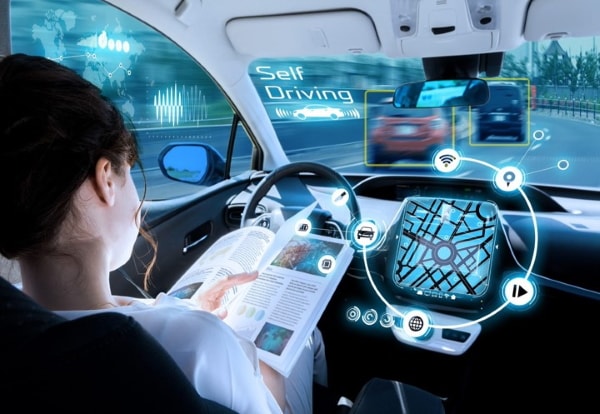
📊 ADAS vs. Higher-Level Autonomy
Here’s how responsibility is treated under the new guidance:
- L1/L2 ADAS: Driver always responsible.
These systems assist braking, steering or speed, but do not drive autonomously, and the human must always be ready to take over. - L3 Automation: The driver may legally take their eyes off the road in specific situations, but can still be held liable if they fail to resume control when required.
- L4/L5 (True Autonomy): Different rules apply, and responsibility may shift to manufacturers or fleet operators depending on the case.
🛡 Hidden Dangers of Overreliance
Incidents in China have highlighted the risks of misunderstanding ADAS:
- Reports of drivers playing with phones or not watching the road while using ADAS show how misunderstanding automation can lead to accidents.
- Authorities want to avoid the impression that ADAS equals “self-driving,” especially since many current systems are still L2 at best.
🔎 Global Context
Countries around the world urge similar caution:
- Even in markets like the U.S. and Europe, regulators and courts have reinforced that partial driving automation does not replace human responsibility.
- Several high-profile cases involving brands like Tesla underscore how reliance on these systems without human engagement can create legal and safety challenges.
🧩 Summary — What You Should Know
- China’s Supreme People’s Court: driver liable, not ADAS, for accidents while automated systems are engaged.
- Misuse of ADAS or use of cheat devices can lead to criminal charges and fines.
- Legal clarity supports safer use and discourages misleading marketing that suggests cars can self-drive.