


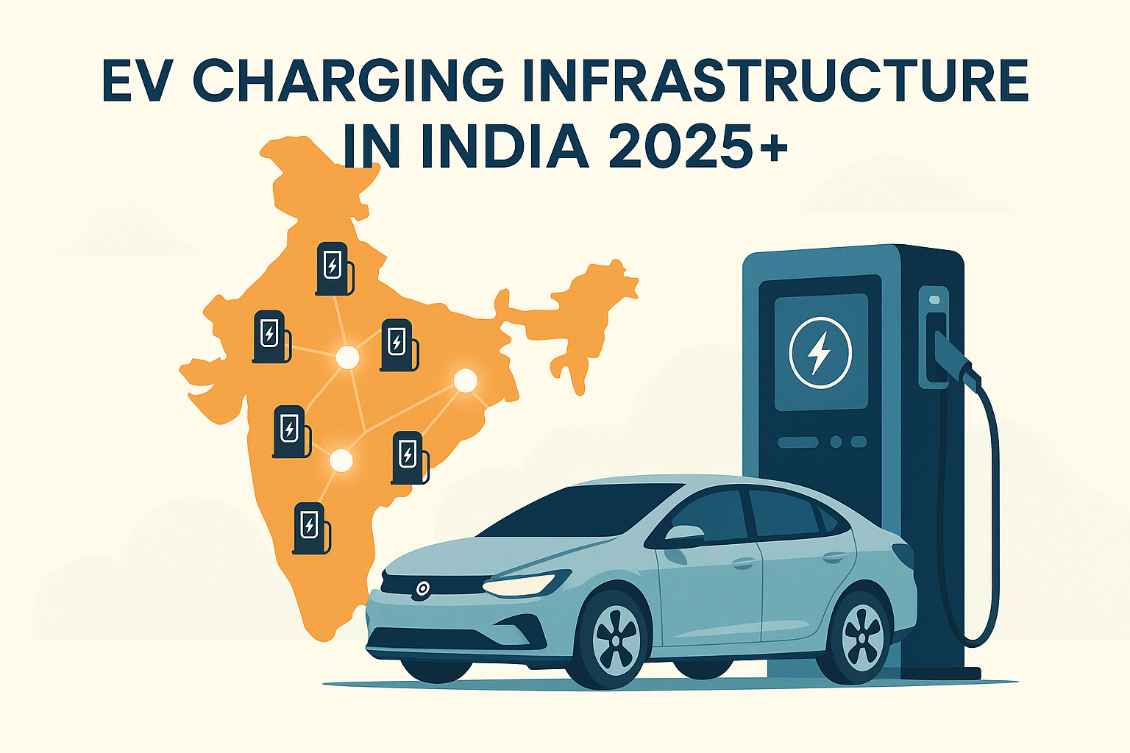
Electric vehicles (EVs) are rapidly gaining popularity across India, and a strong EV charging infrastructure is essential to support this shift from fossil fuels to clean mobility. In this blog, we’ll explore India’s progress, challenges, government policies, and what the future holds — with helpful visuals placed throughout to explain key points clearly.
🇮🇳 India’s Growing EV Charging Network
4
India’s EV charging network has seen remarkable growth in recent years:
📈 Rapid Expansion
- India’s public/semi-public charging stations climbed from around
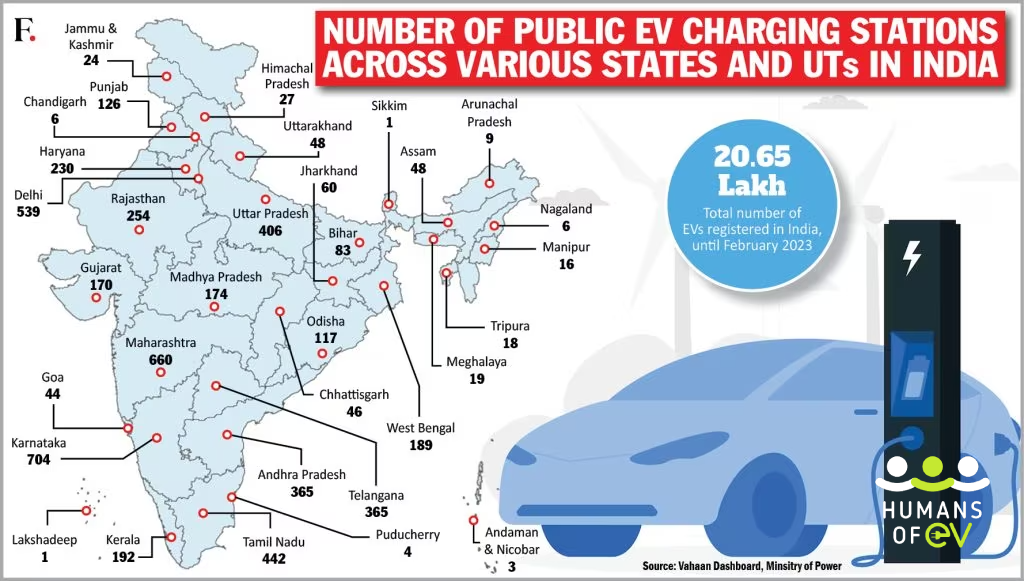
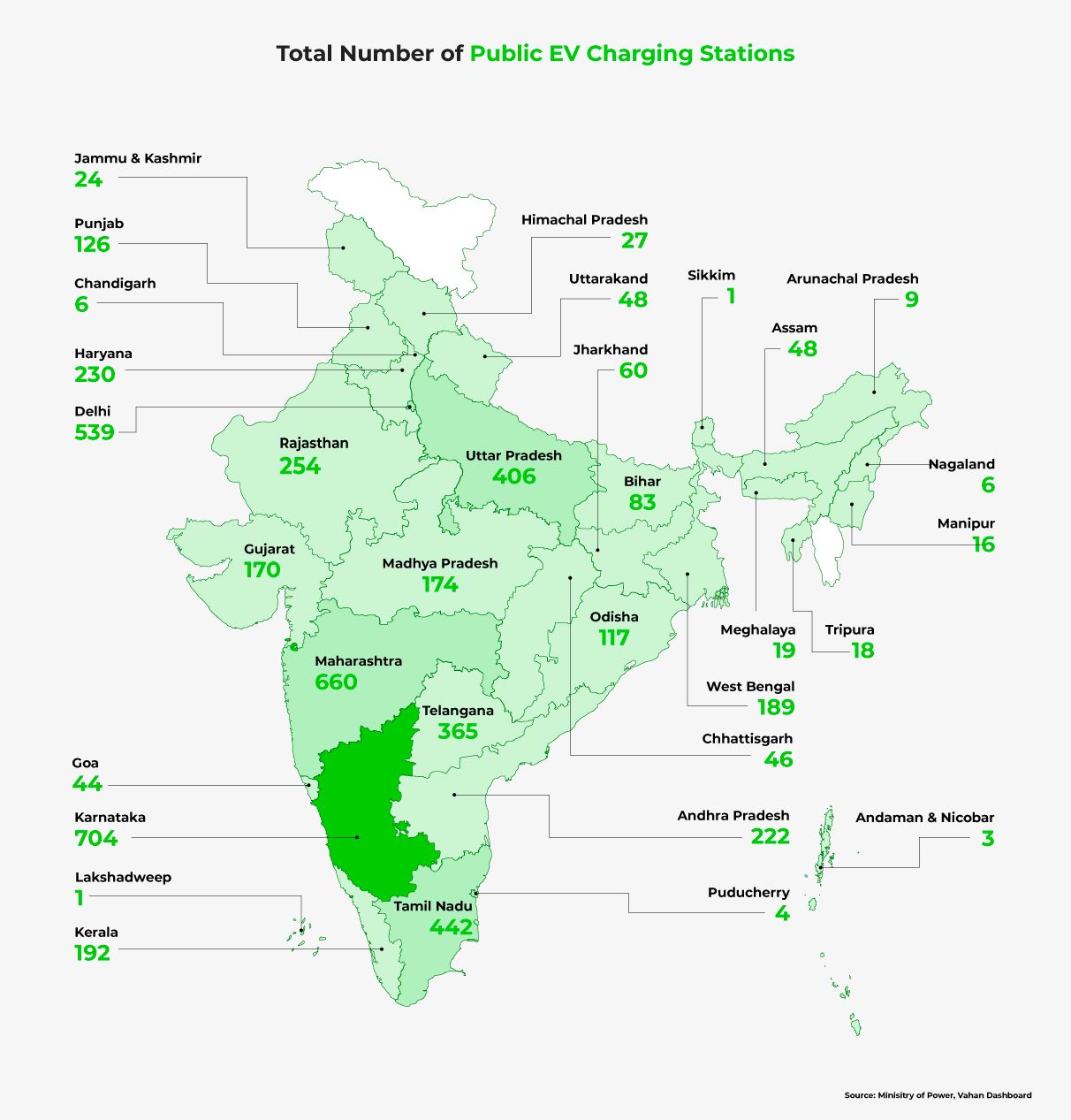
6,500 in early 2023to over 29,000 stations by 2025. - Major states like Karnataka, Maharashtra, Uttar Pradesh, Delhi, and Tamil Nadu lead in charging locations.
- Fast chargers (DC, high-power units) are being installed on highways and urban centers for quicker charging times.
This growth supports India’s rising EV sales — with millions of EVs on the road today and more expected each year.
📌 Why Charging Infrastructure Matters
An EV needs electricity — and that means having a reliable network of charging stations like petrol pumps for electric vehicles. Without enough chargers, drivers face range anxiety — the fear of running out of battery mid-journey. This can limit EV adoption, especially during long drives or in less urban areas.
🧠 Governments & Policies Driving Growth
India’s government has launched several major initiatives to boost charging infrastructure:
🛠️ Key Government Schemes
- FAME-II (Faster Adoption and Manufacturing of Electric Vehicles) — supports subsidies for setting up charging stations and EV purchases.
- PM E-DRIVE Scheme — aims to install around 72,000 public EV chargers, with dedicated funding and incentives for public and private developers.
- National and State Policies — include rules for minimum charger spacing (e.g., every few km on highways, within city grids) and subsidies for businesses and societies to install chargers.
Together, these policies create a roadmap for India’s EV ecosystem — encouraging investment and charging access nationwide.
⚡ Types of EV Charging Stations
Understanding charger types can help EV owners plan better:
🔌 Slow / AC Chargers
- Good for home or workplace charging.
- Lower cost, takes several hours for a full charge.
🌩️ Fast / DC Chargers
- Provide quicker charging — often 30–120 kW or more.
- Ideal for highway stops or quick top-ups.
Fast chargers are expanding but still fewer compared to slower units, so continued investment is needed for more balanced coverage.
🚧 Challenges & Barriers
Despite growth, there’s still work to do:
⚡ EV-to-Charger Ratio
India’s number of EVs per public charger is still higher than ideal (meaning fewer chargers per vehicle), especially in Tier-2 towns and rural areas.
📍 Uneven Distribution
Stations are mostly concentrated in big cities and major highways, leaving smaller towns underserved.
🔋 Power Grid Pressure
A growing EV charging demand adds strain to the electric grid, requiring improvements in grid capacity and renewable energy integration.
🌍 Smart & Sustainable Charging
India isn’t just building more chargers — it’s making them smarter:
- Charging networks are integrating with renewable energy sources like solar to reduce carbon emissions.
- Apps and digital platforms help drivers find stations, check charger status, and plan routes.
This helps create a more user-friendly and sustainable system.
🏎️ What’s Next for EV Charging in India?
India’s EV vision continues to evolve:
📊 Future Targets
- Experts estimate the need for over 400,000 chargers annually by 2030 and a total of millions of chargers to meet projected EV adoption.
- Private companies like Tata Motors and others are planning to more than double existing chargers with ultra-fast networks.
🚀 Innovation Ahead
Charging solutions may become faster, more automated, and integrated with smart grids as technology advances — making electric mobility even more convenient for all.
📌 Final Words
The rise of EV charging infrastructure in India is a key part of the country’s push toward clean transport and energy sustainability. While there’s still progress to be made, the expansion of charging stations, supportive policy frameworks, and growing private investment make India an exciting market for electric mobility.
Whether you’re an EV owner, an aspiring buyer, or just curious about green tech — India’s EV charging revolution is charging ahead! 🚗🔌⚡